Microbial products for ponds and aquariums | Microbac
Koi swimming in a pond

Ponds and aquariums

Microbial products for ponds and aquariums

From a heavily stocked koi pond to a small freshwater aquarium, water volume, stocking and filtration vary considerably. A product for one environment will not automatically suit another. We help align your range with the water system and the way the end user maintains it.

Applications

Two water environments, one microbiological foundation

System volume, filtration, stocking, feeding, temperature, maintenance and application together determine which product route fits. A pond and an aquarium therefore each call for their own approach, even when the microbiology behind them starts from the same principle.

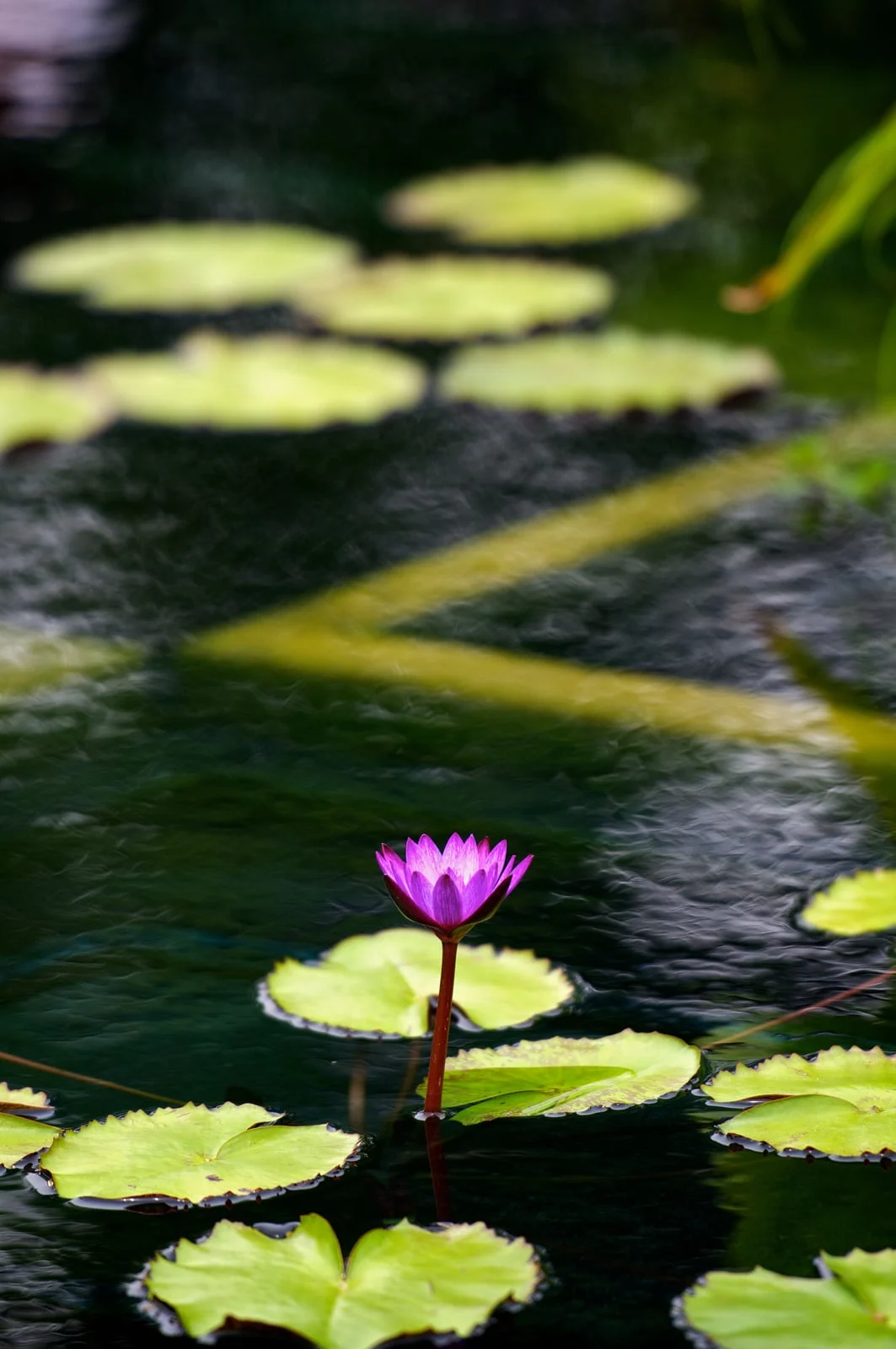
Purple water lily among floating leaves in a pond

Ponds

Ponds come in many kinds: koi ponds, ornamental ponds, swimming ponds and natural ponds. Stocking, planting, swimming function, filtration, circulation and seasons differ per type and therefore each call for their own product route.

  • Koi and ornamental ponds: stocking, feeding and filtration take centre stage.
  • Swimming and natural ponds: planting, circulation and swimming function steer the approach.
  • Season, planting, circulation and filtration determine the product route for each pond.
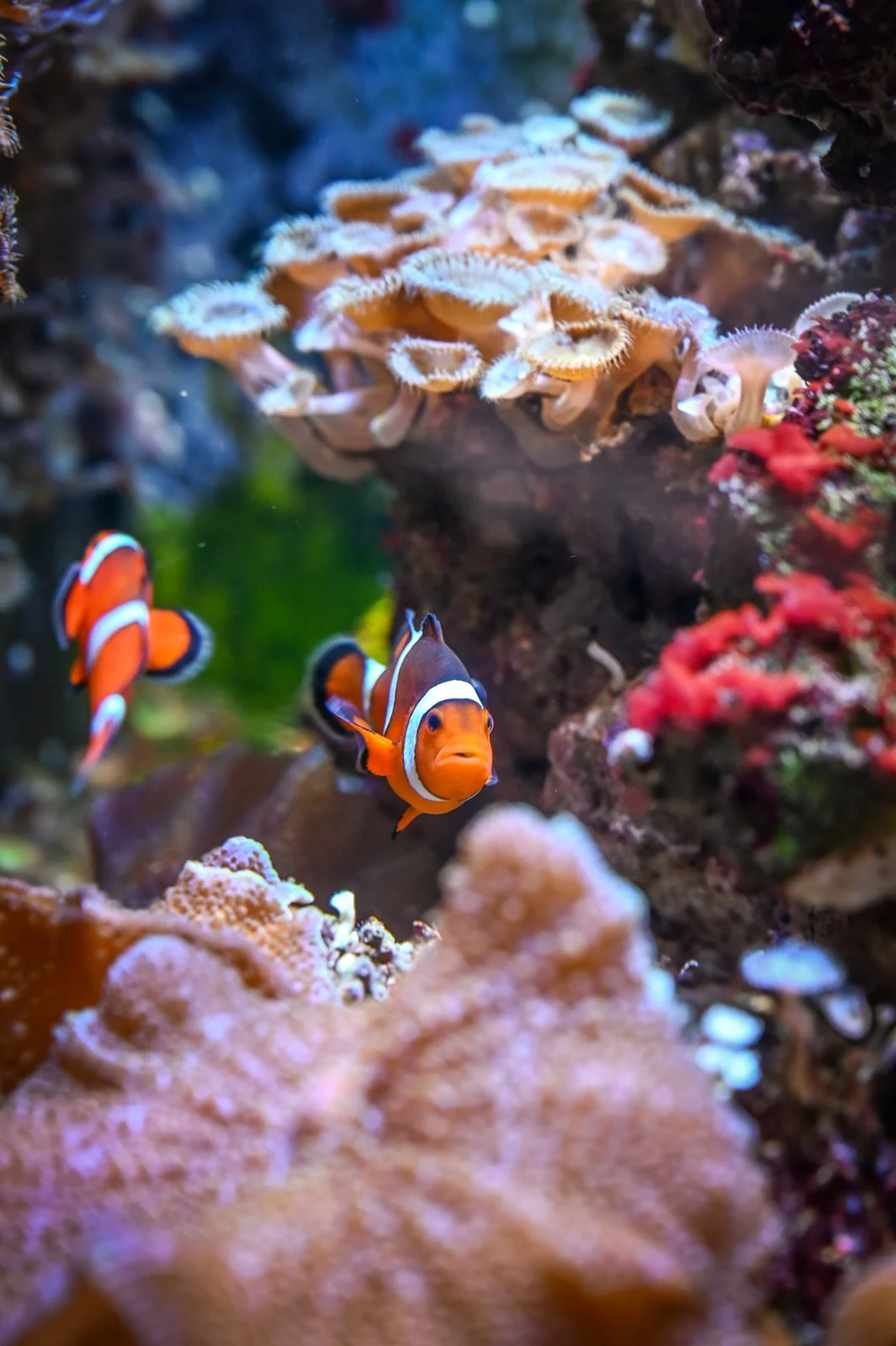
Clownfish among corals in a saltwater aquarium

Aquariums

An aquarium has a small system volume, and freshwater and saltwater each call for their own approach. Salinity, pH, stocking, filtration and maintenance together determine which product route fits. Microbac can develop for both environments; organisms, formulation and application are assessed per environment.

  • Freshwater and saltwater aquariums each get their own selection and formulation.
  • Filter type and maintenance routine determine the application.
  • Precise dosing and a suitable product form.

Product directions

From system question to product direction

  • Biological filtration and maintenance moments

    Products that support biological filtration, for example when starting up a system or after maintenance. The formulation is matched to filter type and stocking and, for aquariums, to salinity as well.

  • Breakdown of organic material

    Suitable heterotrophic bacteria can contribute to the breakdown of organic material, such as leftover feed and plant waste. Species choice and dosing determine whether that fits your market.

  • Product form, dosing and compatibility

    Liquid or dry, per bottle, sachet or larger pack: the product form has to suit your customers’ dosing routine and their filter and water system, fresh or salt.

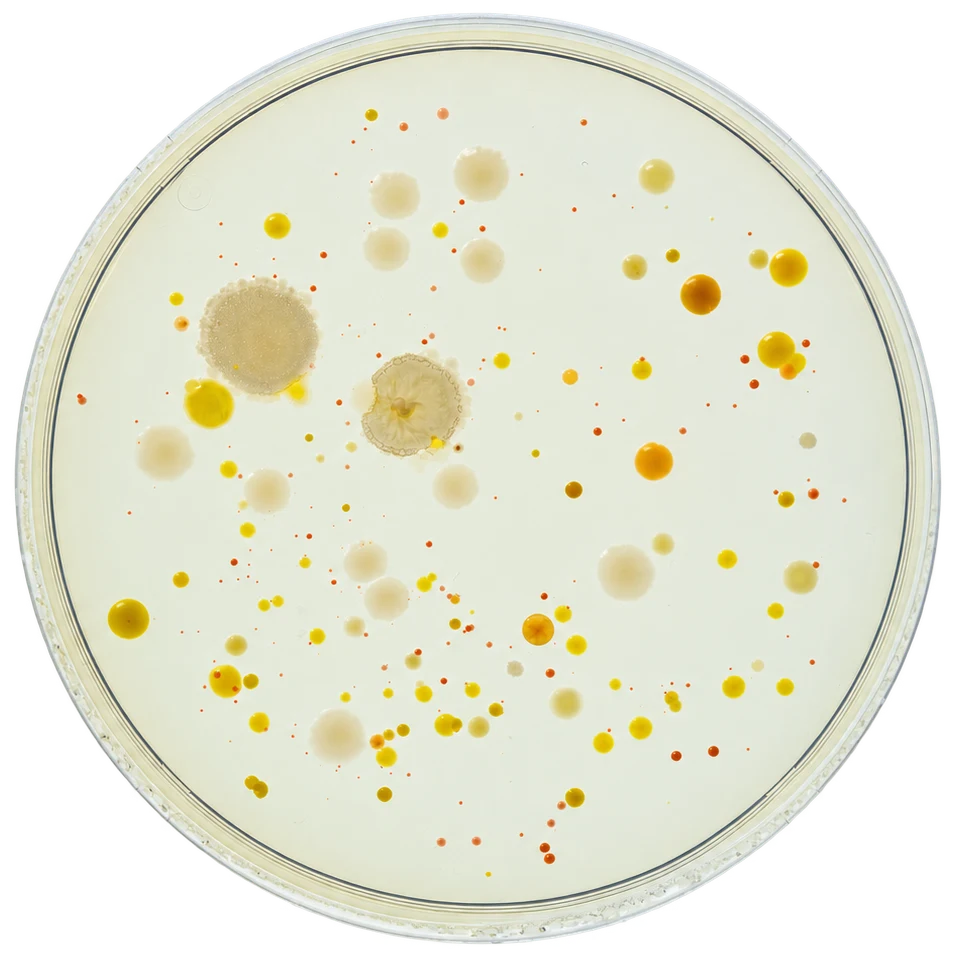
Bacterial colonies on agar in a petri dish

Microbial selection for water environments

Microbac selects suitable microorganisms for each water system. Bacillus species are a recognisable example: depending on application and formulation, they can contribute to the breakdown of organic material.

We assess performance, dosing and suitability per system.
A product does not replace filter maintenance or good system management.

Technical fit

Matched to the water system

A microbial product for ponds or aquariums has to suit the water environment and the way customers use it.

  • Water quality and salinity

    Fresh or salt, pH and system volume steer selection and formulation.

  • Filter and circulation

    Filter media, aeration and circulation determine how a product is applied in the system.

  • Dosing and product form

    Concentration, dosing routine and liquid or dry form must match the intended use.

Approach

From market idea to water product

For ponds and aquariums, the project begins with your market and what the product must achieve.

  1. Discuss market and product goal

    We discuss which market, water environment and product line you want to develop for and what you want to achieve with it.

  2. Map the technical context

    System volume, salinity, filtration, stocking, maintenance and any combinations with other products.

  3. Select organisms and formulation

    For your water system, we choose suitable microorganisms and an appropriate formulation.

  4. Review a prototype or first batch

    For ponds or aquariums, we assess a prototype or first batch together.

  5. Check quality and deliver

    We check quality and CFU (colony-forming units), then agree the delivery date with you.

Frequently asked questions

Briefly answered

What is the difference between products for ponds, freshwater aquariums and saltwater aquariums?

The same microbiological principles can play a role in all three, but the system differs. Ponds have a larger water volume, seasonal influences and often more organic load. Aquariums are smaller and call for precise dosing. Between freshwater and saltwater, salinity, pH, filtration, stocking and use also differ. That is why we select and formulate per application.

What information is needed to assess a product idea?

Useful details are the target market (pond, aquarium or both), the usual system volume, the filter type, the desired product form and packaging and the way your customers dose. If information is missing, we help you determine it.

Is a liquid or a dry product possible?

We can discuss both product forms with you. The choice depends on shelf life, dosing, packaging and the desired user experience. We assess this per project.

Next step

A product idea for ponds or aquariums?

Tell us which market and which water system you want to develop for. With information on fresh or salt water, filter type, desired product form, packaging and volumes, we can determine the first route together.