Wastewater and septic tank microbial products | Microbac
Aerated basin in an industrial wastewater treatment plant

Wastewater

Microbial products for wastewater

Wastewater from a production process differs from the contents of a septic tank. Composition, organic load and available retention time determine which microbial application is worth investigating. We start with the water stream and the existing treatment before proposing a product direction.

Applications

One subject, many different processes

Wastewater is not a single market. An aerated industrial treatment plant, a septic system and an organically loaded pipe each call for a different product route. Load, temperature, pH, aeration and residence time together determine what fits.

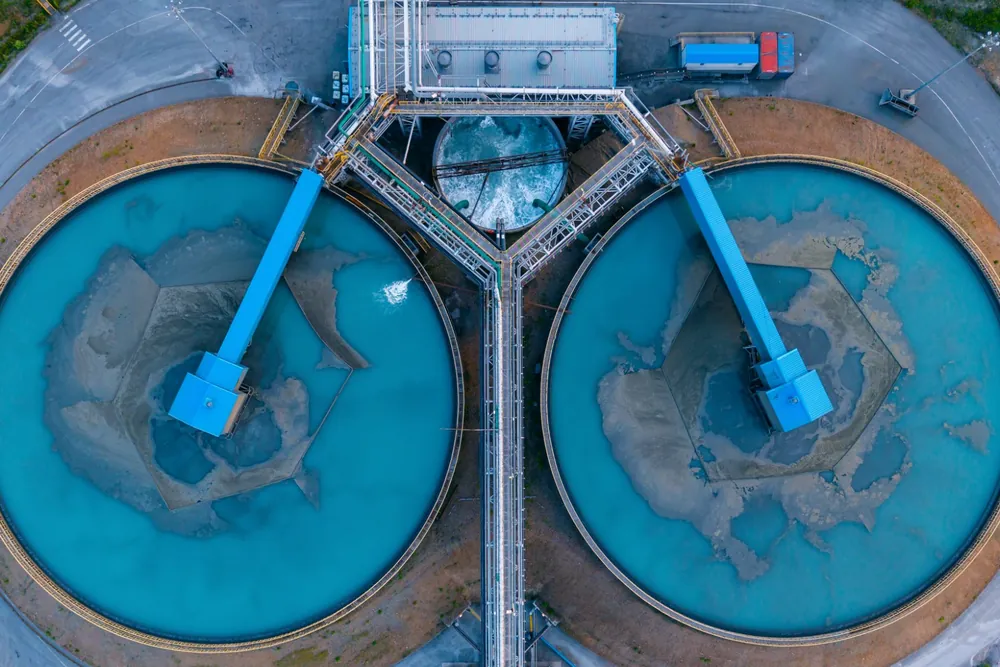
Aerial view of two circular sedimentation tanks at an industrial water treatment plant

Industrial and process wastewater treatment

In industrial water streams, composition differs per company and per season. Peak loads, salinity, temperature and other substances determine which microorganisms and formulation fit the biological step.

  • Aerated basins and activated sludge
  • Peak loads and varying composition
  • Dosing at the right point of application
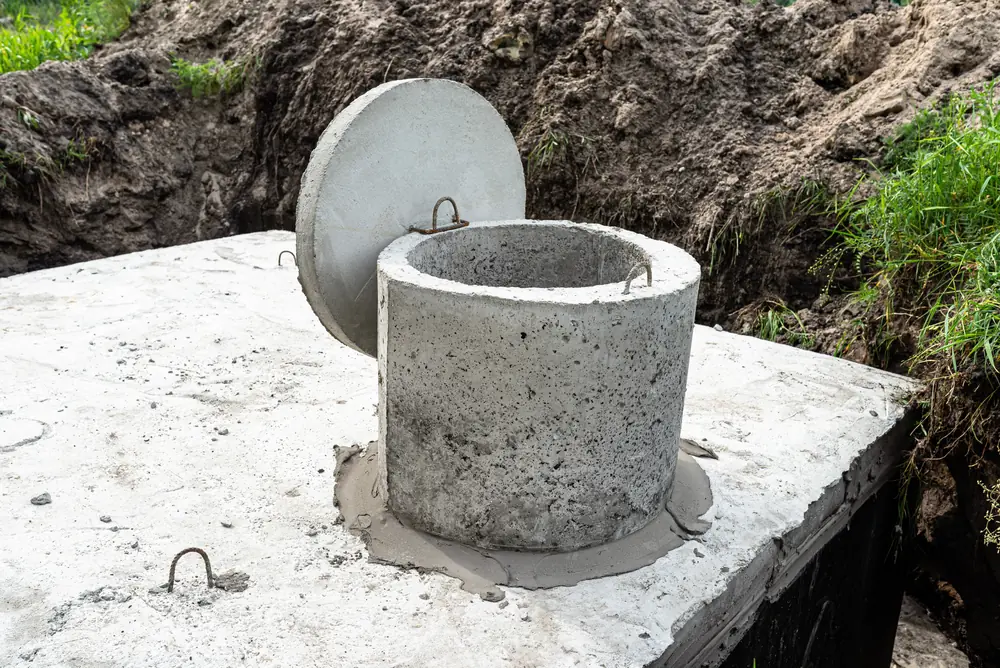
Concrete septic tank with open manhole cover during installation

Septic tanks at homes and businesses

Septic tanks are still common at homes without a sewer connection, holiday parks, farms and hospitality businesses. A biological product supports the breakdown of organic material, but does not replace regular emptying, inspection and maintenance.

  • Homes, holiday parks and businesses
  • Tablet, powder, liquid or sachet
  • Simple instructions for use for the end user

Decision criteria

What determines the product route?

Six points we go through in every wastewater project.

  • Process conditions

    Temperature, pH, salinity and the presence of other substances determine which microorganisms come into consideration.

  • Load and composition

    The amount and nature of the organic load, and how much it fluctuates, steer selection and dosing. For septic tanks, the tank volume, the number of users and the emptying frequency also count.

  • Aeration and residence time

    The oxygen supply and the time a product has in the system also play a part.

  • Point of application and dosing

    Where and how often a product is added determines concentration, form and packaging.

  • Product form and packaging

    Liquid or dry, per bottle, sachet or bulk: the form matches how your customers use it.

  • Documentation

    Technical information and quality data support your own commercial and regulatory assessments.

Discharge requirements, permits and authorisation differ per country and application and remain the responsibility of the brand owner and the user.

Approach

From market idea to wastewater product

Every wastewater project starts with the market you want to serve and what your product must do there.

  1. Discuss market and product goal

    We discuss which wastewater application you want to serve and what you want to achieve with it.

  2. Map the technical context

    Process conditions, load, aeration, conditions of use and any combinations with other products.

  3. Select organisms and formulation

    With our microbiological expertise and strain bank we choose suitable microorganisms and an appropriate formulation.

  4. Review a prototype or first batch

    For your wastewater application we review a prototype or first batch together.

  5. Check quality and deliver

    Once quality and CFU (colony-forming units) have been checked, we schedule delivery to suit you.

Frequently asked questions

Briefly answered

Which wastewater applications does Microbac develop microbial products for?

For biological wastewater treatment in industrial and process water streams, for septic systems and small-scale treatment, and for the breakdown of organic load in other water systems. The details depend on load, process conditions and how the product is used.

What information is needed to assess a wastewater product?

Useful details are the type of application, the process conditions (temperature, pH, salinity), the nature and amount of the load, the point of application, the desired product form and packaging and the target market. If information is missing, we help you determine it.

Does Microbac also make products for septic tanks?

Yes, for brand owners and distributors who sell septic-tank products to households or businesses. A product supports the biological breakdown of organic material and does not replace regular emptying, inspection and maintenance in line with local rules.

Next step

A product idea for wastewater?

Tell us which application and which type of system you want to develop for. With information on load, temperature, desired product form, packaging and volumes, we can determine the first route together.